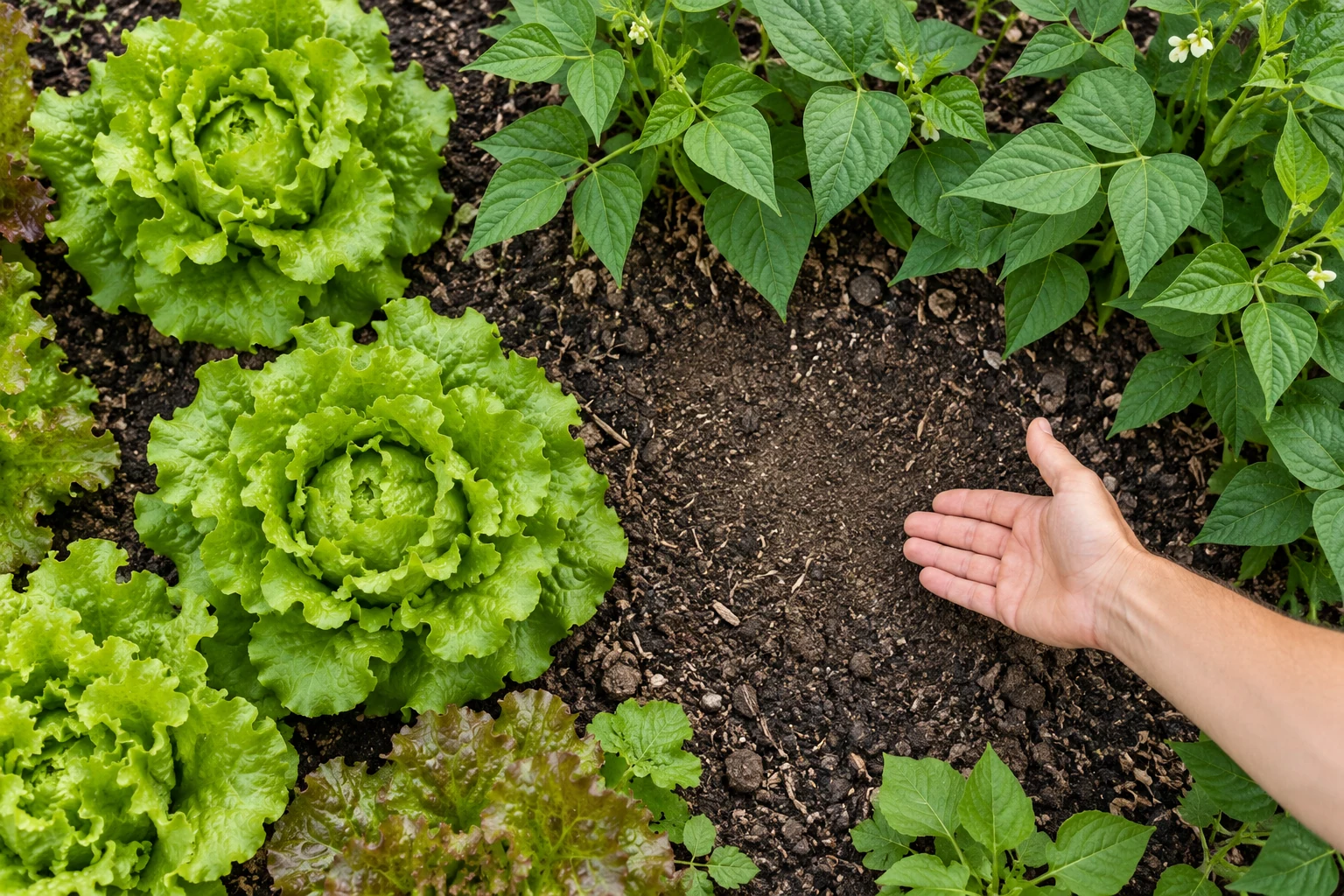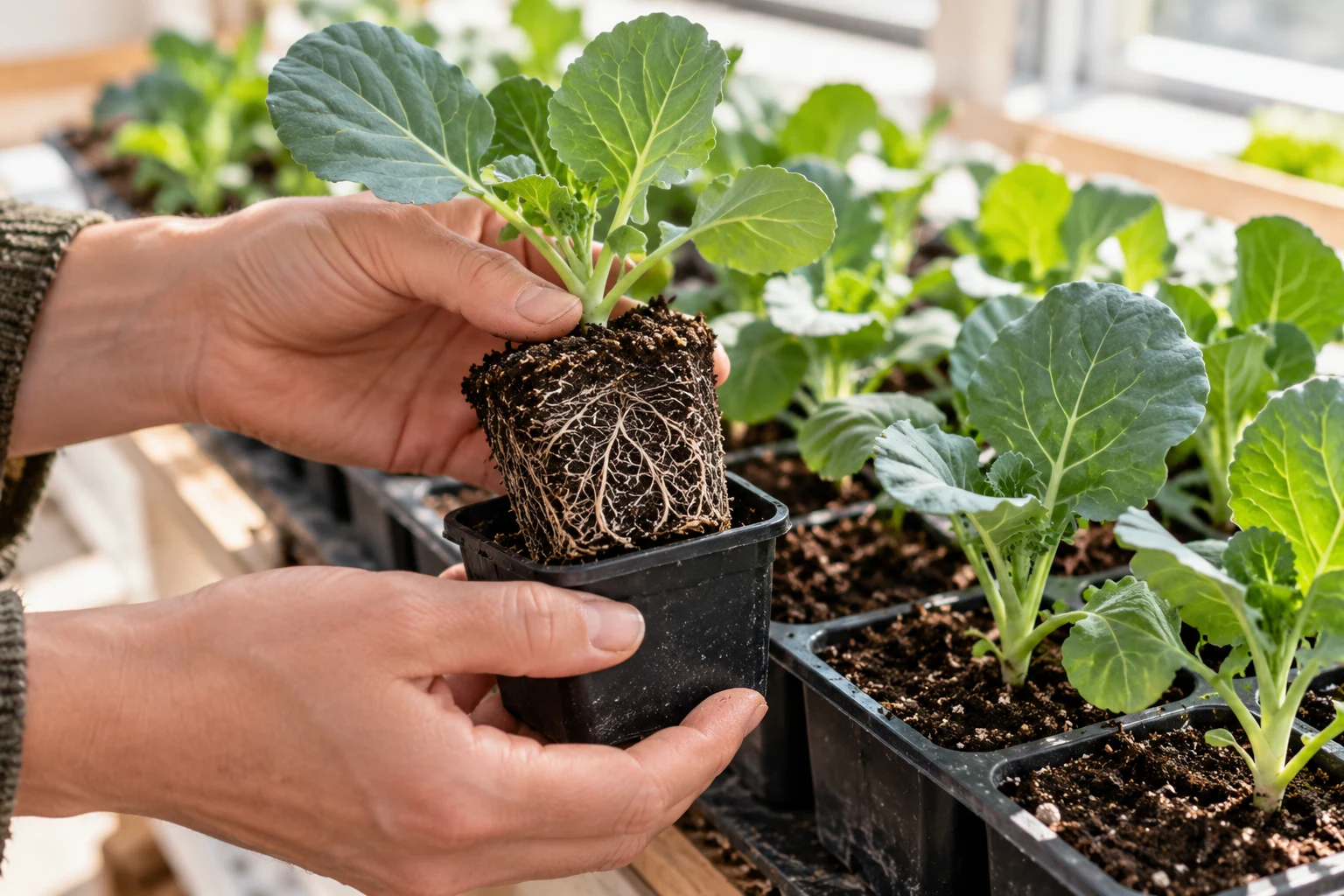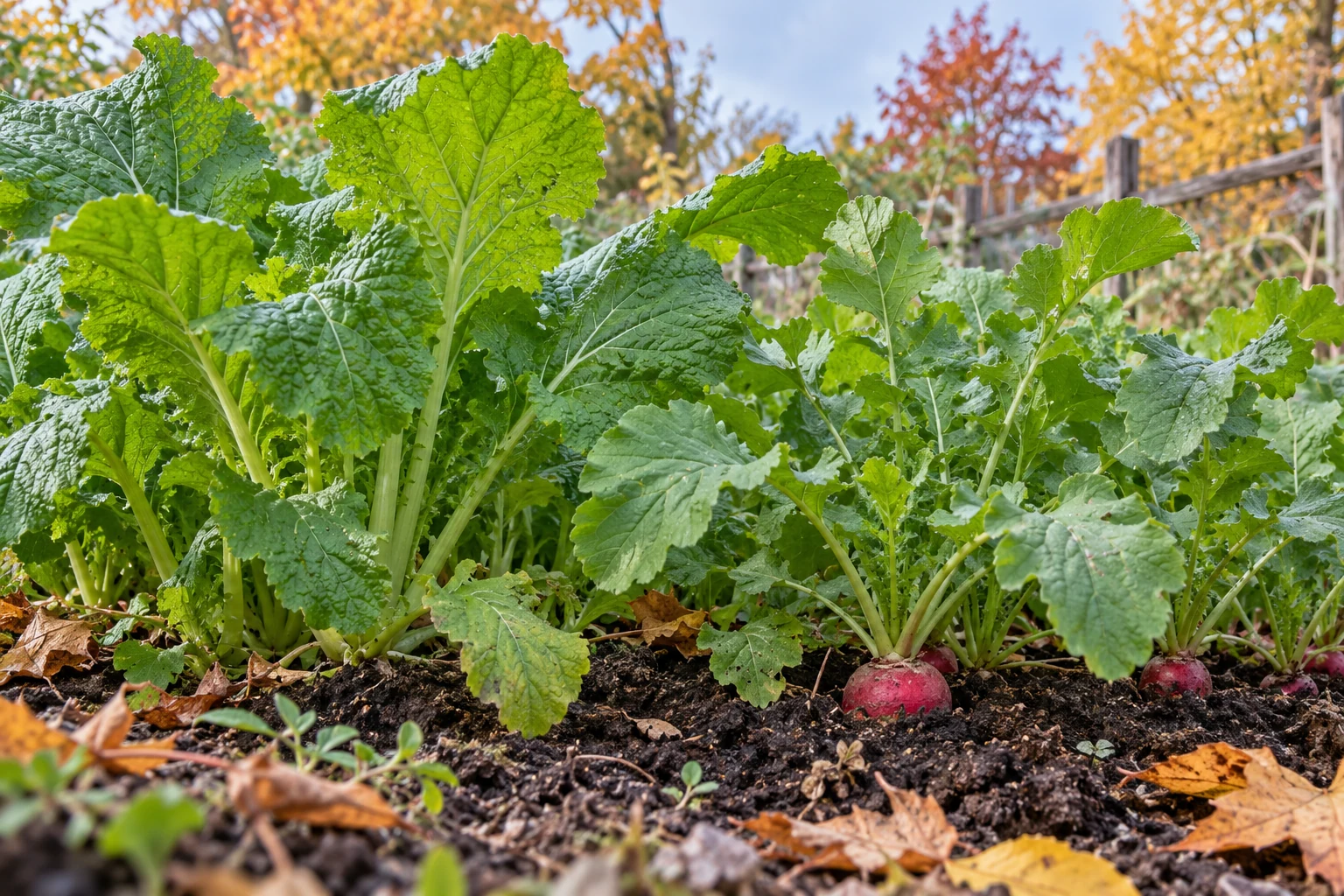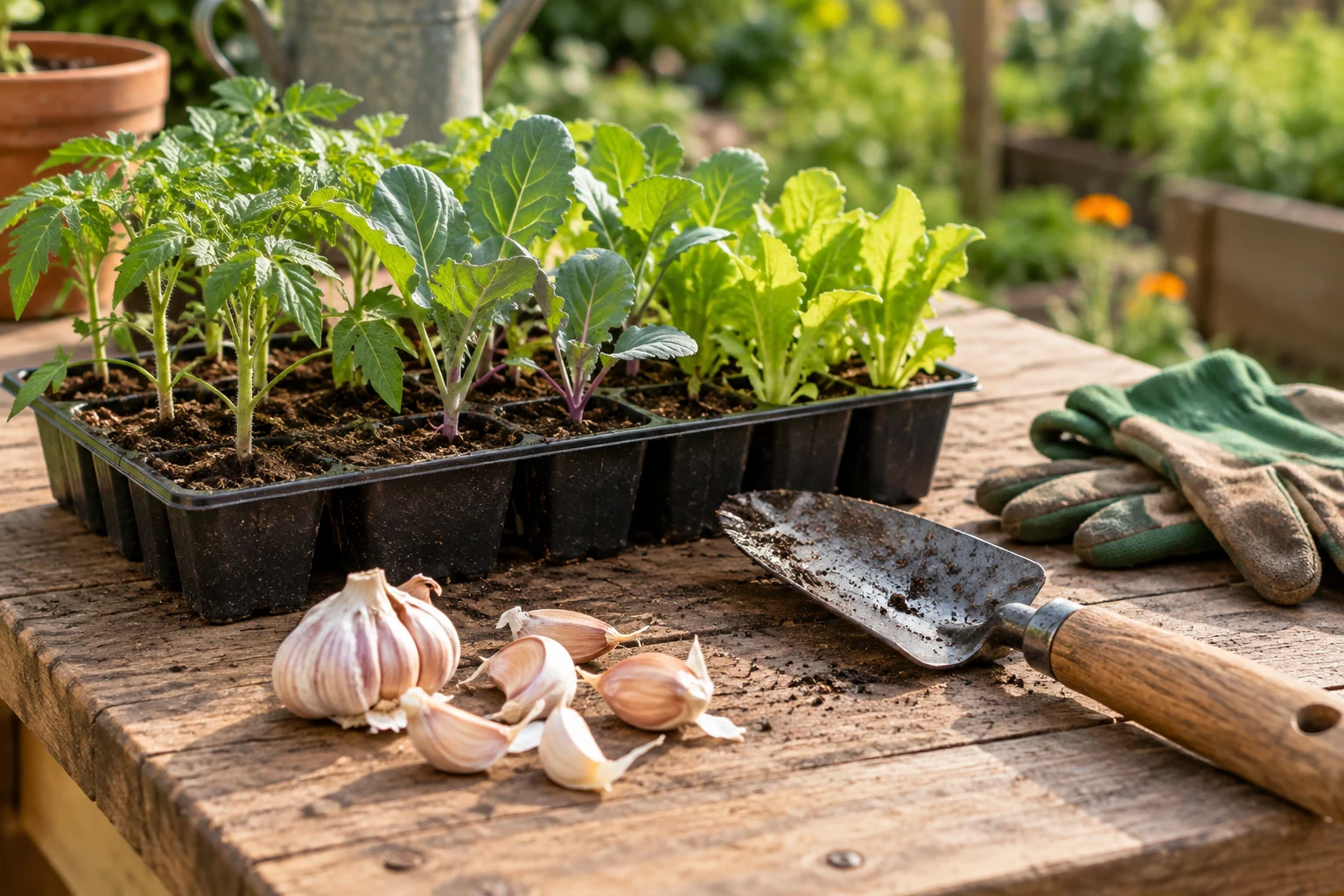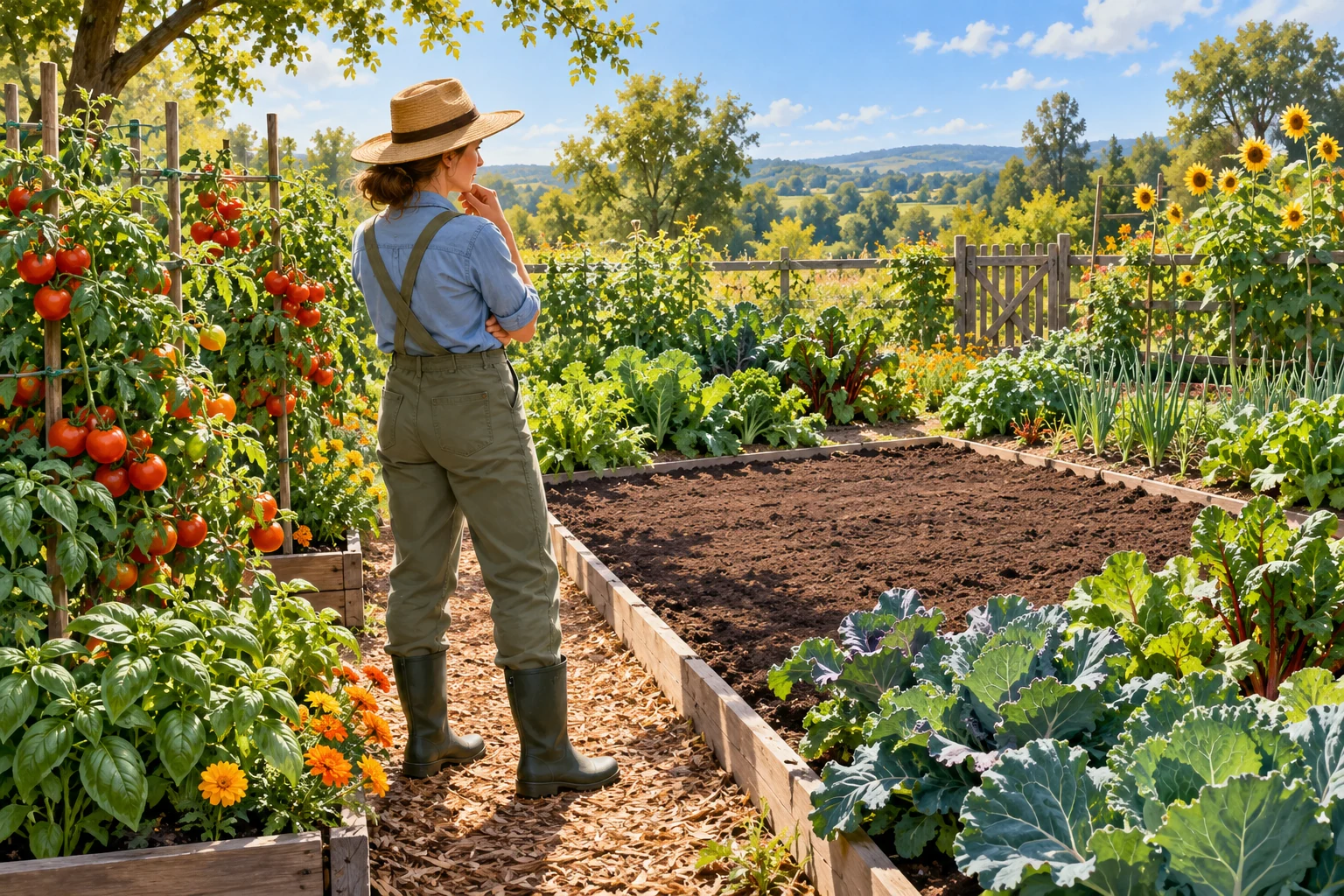
Summer harvests can easily push planting out of mind, yet early July is also a time to prepare for fall vegetables. A second season begins with finding space and working out when crops need to start. Unlike spring planning, which looks ahead from the last frost, fall planning works backward from the first frost. The source uses October 9 for Albion, New York, and recommends allowing additional time because cooling weather and shorter days slow growth. That makes midsummer a useful planning window even while existing crops are still producing. ## Begin with the space you actually have Take a walk through the garden before making a planting list. Look for lettuce that has finished, beans that are no longer producing, or a corner that never filled out. Use those openings to give your fall plan a practical starting point: which spaces are available now, and which are still occupied? Next, pair each possible crop with a space and a timing check. Read the variety’s days-to-harvest information, count backward from the frost date you are using, and leave a buffer for slower fall growth. Treat the result as an approximate deadline rather than a promise. The aim is to connect three decisions—what to grow, where it can go, and when it must begin—before an opening in the garden becomes a missed planting opportunity. ## Choose how each crop will start Seeds planted directly in a bed avoid the root disturbance that carrots and beets dislike. Indoor starting serves a different purpose: it gives plants a head start in controlled conditions while outdoor summer heat may be too intense for tender seedlings. Broccoli, cabbage, kale, and related fall crops are often started indoors in early summer for later transplanting. Fall timing deserves attention because the season is moving toward shorter days and cooler conditions, making a missed window harder to recover from. Make two separate entries in your plan when a crop will be transplanted: one for sowing indoors and another for moving plants into the garden. A transplanting window is not an instruction to begin seeds on that same day. Keeping the two stages visible helps you see whether your plan calls for starting seedlings or finding room for plants already underway. For direct-sown crops, the planning question is simpler: will the bed be available during the sowing window? Compare the opening you identified with the crop’s schedule before assigning it a place. This turns a general wish for more vegetables into a sequence of manageable decisions. It also helps explain why a garden can still look full in July while preparations for its next round of planting are already due. ## Use the Albion calendar as a local reference The source’s Albion calendar, presented as of July 1, lists direct sowing for carrots from July 11 through September 9, English and sugar snap peas from July 11 through August 10, and radishes and mustard from August 10 through September 9. Turnips have an August 25–September 24 window. Cooler nights can improve the flavor of greens and brassicas, and a light frost may improve these crops rather than immediately ending their season. Use those dates to organize choices for Albion, while keeping the variety’s maturity information alongside them. For example, the calendar places peas earlier than radishes, so the two belong in different parts of your planting plan. A single instruction to “plant fall vegetables” would hide that distinction. Writing down crop-specific windows makes the next action clearer. If you garden elsewhere, begin the backward calculation with your own frost date instead of adopting Albion’s October 9 reference. Then consider the extra time the source advises for declining light and cooler weather. The useful idea to carry from the calendar is the planning method: choose a crop, check its timing, and fit it into the remaining season. The dates themselves belong to the location identified in the source. ## Finish with a short action list Separate crops intended for fall eating from plantings intended to carry into next year. The source identifies garlic and onions as examples of that longer view. Keeping those purposes distinct helps you decide what each available space should accomplish instead of treating every planting as part of the same harvest schedule. For this week, bring the plan back to a few concrete tasks: identify an opening, choose a crop, check the timing, and decide whether it needs direct sowing or a transplant. If seedlings must be started indoors, include that step explicitly. You do not need to redesign the whole garden to begin. Start with a real space and a crop whose schedule you have checked, then build the rest of the fall plan around those decisions.